GRAPHIC ARTWORK AS A SPACE FOR CREATION
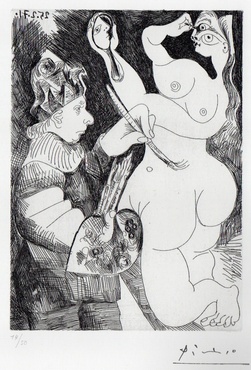
Graphic art has occupied a central place in the history of art for centuries. Long before technical reproducibility became a modern theme, artists from different eras resorted to engraving, lithography, woodcut, or screen printing as privileged means of experimentation and invention. Picasso, Miró, Antoni Clavé, Antoni Tàpies, Louise Bourgeois, Fernando Lanhas, among many others, found in graphic art not a secondary territory, but a fertile field where the image reinvents itself.
Nevertheless, the misconception persists that graphic work is a "lesser work," confused with simple copying. Nothing could be further from the truth. Graphic work is not reproduction; it is creation. Each engraving, each print, is born from a matrix—be it in wood, metal, stone, or another medium—worked directly by the artist. It is in the matrix that the original gesture, the thought, the construction of the image resides.
Printing is not a mechanical act: it is the transfer of the matrix to the paper, a moment of precision, fine-tuning, and risk. Each proof demands technical knowledge, sensitivity, and an intimate relationship with the material. The numbering of editions—a practice that guarantees the authenticity and limitation of the series—reinforces this singularity. Each copy belongs to a finite set, controlled and conceived by the artist. There is no place here for undifferentiated copying; rather, there is a work that multiplies within defined limits, preserving its conceptual integrity.
Throughout history, graphic art has been used by the great names of art not as a lesser alternative, but as a language in its own right. Picasso explored the metamorphosis of form within it; Miró found a space of radical freedom; Tàpies deepened the relationship between gesture and matter; Bourgeois transformed printmaking into an intimate and visceral territory; Lanhas made it a field of geometric and poetic rigor. Each of these artists demonstrated that graphic art is a place where art reflects upon itself and expands.
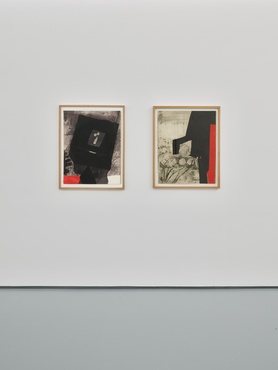
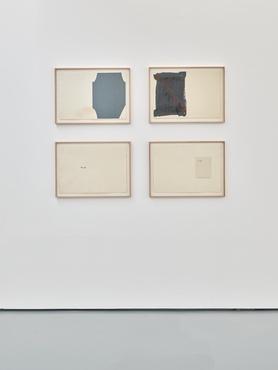
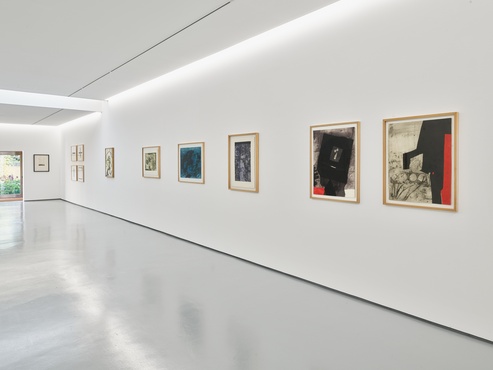
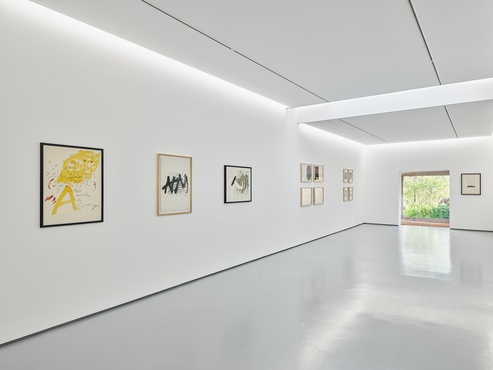
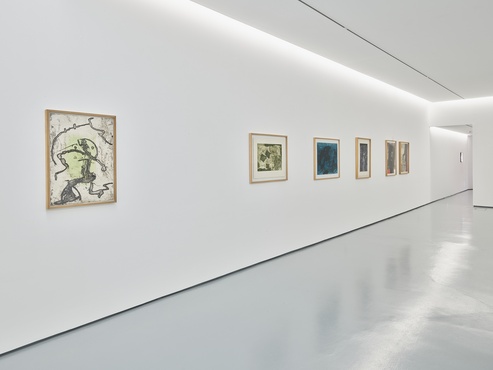
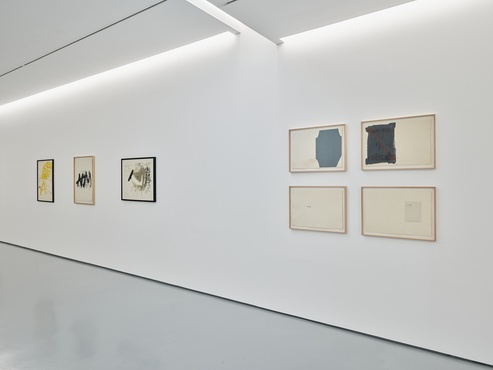
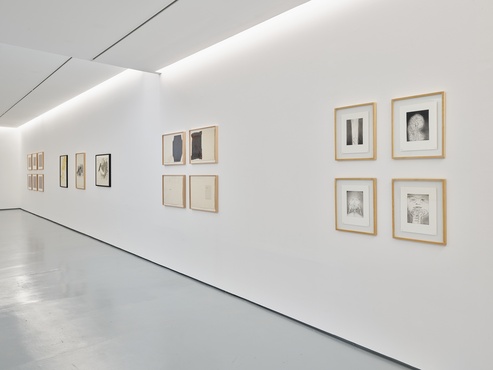
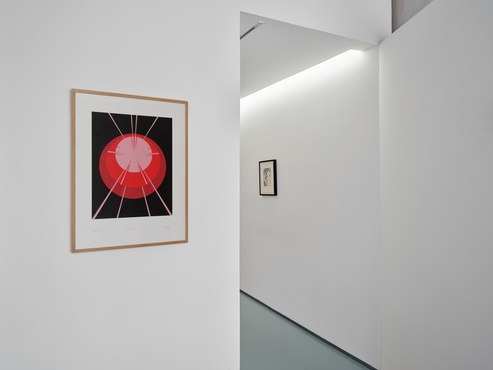
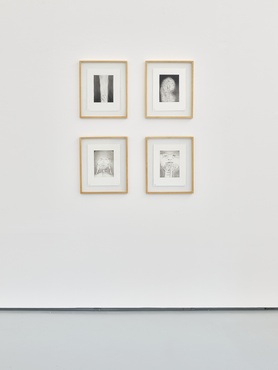
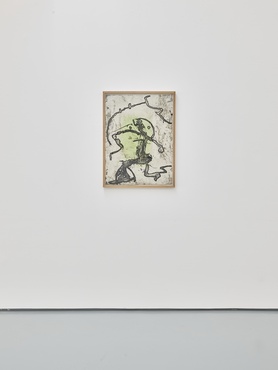
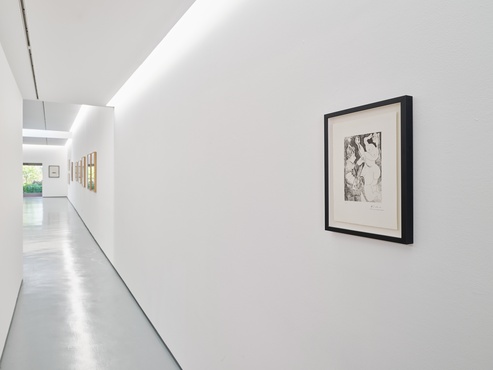
This exhibition aims to highlight precisely that: the importance of graphic work as a complete artistic territory. A territory where drawing becomes a matrix, where the matrix becomes a gesture, and where the gesture becomes an image. A territory where technique and thought meet, where the artist experiments, takes risks, and discovers new ways of seeing.
By bringing together this collection of works, we affirm that graphic art is neither a deviation nor an appendix to artistic practice: it is a language with history, with depth, and with a future. A space where art continues to reinvent itself, sheet after sheet, print after print.
Gustavo Carneiro